Should You Kiss on the First Date? An Honest Answer
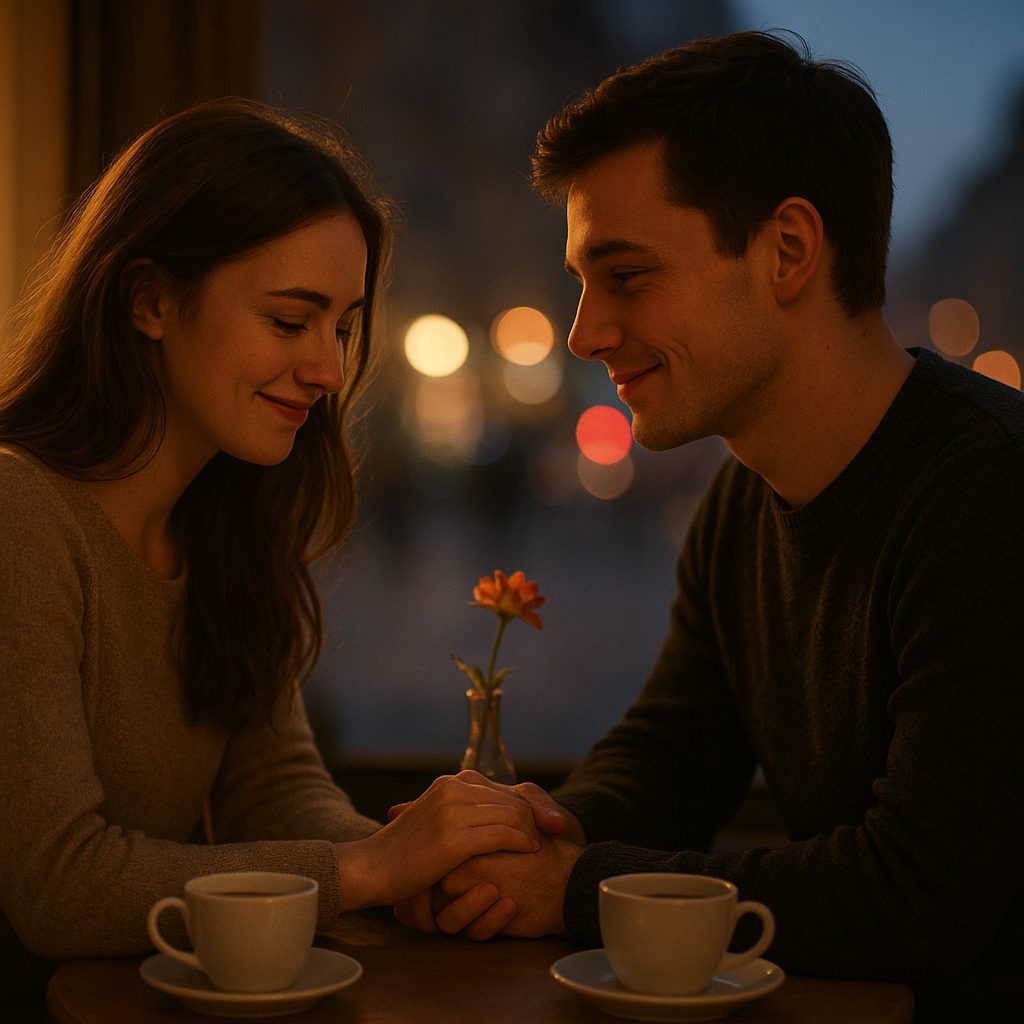
There is no question my friends ask more often after a good first date than this one, usually over brunch, usually while re-reading the goodnight text for the fifth time. Should you have kissed him? Should he have kissed you? Was the hug a verdict? The honest answer is annoyingly simple and genuinely freeing: there is no rule. A first-date kiss is neither a requirement nor a mistake — it's data. And like all data, it only means something when you read it in context. Here's how I think about it after years of first dates, both the kissed and the un-kissed kind.
What a first kiss is actually for
Strip away the rom-com framing and a first kiss has one job: it answers the question "is there physical chemistry here?" That's it. It's not a contract, not a milestone, not a preview of commitment. Some of my best relationships started with a first-date kiss, and at least one started with three dates of nothing but increasingly loaded eye contact. The kiss didn't cause anything either way — it just revealed what was already true.
This matters because people treat the first kiss as a test with a pass and a fail, when it's really more like a sample. You wouldn't judge a restaurant by whether the waiter brought bread. You'd judge it by whether you wanted to stay once the bread arrived. Same energy.
The case for kissing
If the date went well — real laughter, easy conversation, neither of you checking the time — a kiss is a clean, efficient way to confirm what you both already suspect. It converts "I think this went well" into "this definitely went well," and it takes the ambiguity out of the next few days of texting. There's also something to be said for momentum: when two people both want the kiss and neither goes for it, the date ends on a tiny note of hesitation that neither of you intended. I've had that walk-to-the-car regret, and it's a strangely specific flavour of disappointment.
A good first kiss also tells you practical things early. Physical compatibility is real, and finding out on date one that you kiss beautifully together is useful information. So is finding out you don't.
The case for waiting
Now the other side, because it's equally valid: not kissing on a first date means absolutely nothing bad. Some people need two or three meetings before physical closeness feels natural, and that's not prudishness or lack of interest — it's just their wiring. If you're someone who kisses when you feel it, not when the calendar says so, waiting is the authentic move, and authenticity is the entire point of a first date.
There's a practical argument too. A first date is a ninety-minute sample of a person — I've written before about how long a first date should last and why shorter is usually better — and sometimes you genuinely don't know yet. Ending with a warm hug and an honest "I'd love to see you again" is not a rejection. It's a pending status. Anyone who reads a non-kiss as a verdict is telling you they confuse theatre with substance, which is itself useful information.
Reading the moment: signs a kiss is welcome
Forget mind-reading; kissing well is mostly about noticing what's already happening. The reliable signals, in rough order of strength:
- The lingering goodbye. The date is technically over but nobody is leaving. There's slow walking, unnecessary pauses, "so..." with a smile. This is the loudest green light that exists.
- Physical closeness that keeps happening. They sat closer than necessary, touched your arm when laughing, found small excuses to close distance — and didn't retreat after.
- Extended eye contact in quiet moments. Not conversation eye contact — the other kind, the held half-second too long, usually near the end of the evening.
- Talking about the kiss itself. Any version of "so is this the part where..." or teasing about first-date etiquette is not small talk. It's an invitation wearing a joke's costume.
And the red lights, which deserve equal respect: short and polite goodbyes, physical angle turned away, arms crossed or bag held between you, a fast "this was fun!" already moving backwards. None of that means the date failed — it just means tonight is a hug night. Take the hug gracefully; grace at a no is more attractive than confidence at a yes.
How to actually go for it
If the signs are there and you want to, keep it small and simple. The end of the date is the classic window for a reason — the pressure of the evening is behind you and the moment has a natural pause built in. Slow down, close the distance slightly, hold eye contact for a beat longer than conversation requires, and if they stay in that space with you, lean in slowly. The slowness isn't cinematic; it's practical. It gives them every chance to meet you halfway or to redirect to a hug, and both outcomes should be easy.
What about asking — "can I kiss you?" Opinion is split on this, but I'm firmly in favour when done lightly. Said warmly, with a smile, at a moment that's already charged, it's not awkward — it's confident and considerate at once. It only lands badly when delivered like a form to sign. And if you're on the receiving end and the answer is not yet, "I'd like to, but I move slower than that — ask me again on Saturday" is a complete sentence that keeps everything alive.
One tactical note: kissing mid-date is underrated. If the date has an activity built in — a walk in the park, one of the first date activities where you're side by side rather than across a table — a natural kiss can happen in the middle, and then the goodbye is relaxed instead of loaded. The door-step moment only feels obligatory because everyone leaves it until then.
If the kiss was awkward
Bumped noses, mistimed lean, the handshake-hug-kiss collision — it happens to everyone and it kills nothing. What kills things is pretending it didn't happen while radiating embarrassment. The correct response is a laugh, maybe "let's try that again," and then trying again. A couple that can laugh through a clumsy first kiss has already passed a harder test than the kiss itself. I've said before that the small moments in early dating tell you the most — the same instinct behind reading red flags early applies in reverse: someone who handles a fumbled kiss with humour and warmth is showing you a green flag.
The only rule that actually exists
After all the analysis, here's where I land: kiss on the first date if you both clearly want to, don't if either of you doesn't, and never treat the outcome as a grade on the date. The dates I remember years later aren't sorted into kissed and un-kissed — they're sorted into easy and effortful, warm and performative. Chemistry decides for you in the moment; your only job is to be present enough to notice what it's saying.
And if you're still earlier in the process — good chat, no date yet — the kiss question is a lovely problem to have, and you can earn it by reading how to move from texting to a first date. One bridge at a time.